

From long game drives to changing weather and remote locations, a little preparation can help you enjoy every moment of your Tanzanian safari.
Imagine the first morning of your safari in Tanzania.
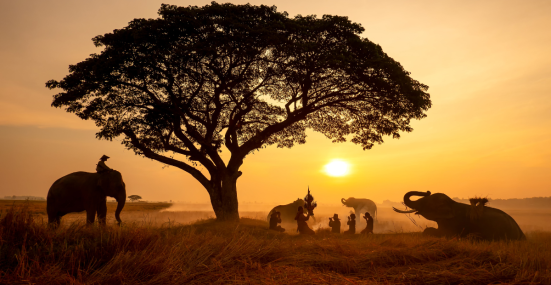
The sun is rising over the savannah. Your guide has spotted fresh animal tracks along the road, and somewhere in the distance, a herd of elephants is moving through the golden grass.
Your phone is tucked away. Your camera is ready. And for the next few hours, the only thing on your mind is what you might discover around the next corner.
That’s what makes a safari so special.
Whether you’re exploring the Serengeti, visiting the Ngorongoro Crater or travelling through Tarangire National Park, a safari offers a chance to experience nature in a completely different way.
But unlike a typical city holiday, safari travel comes with a few practical considerations.
Long drives, early mornings, changing temperatures and time spent away from major towns all make preparation particularly valuable.
Here are eight simple ways to stay comfortable, look after your health and make the most of your safari in Tanzania.
1. Visit a travel health professional before departure
A Tanzania safari often involves travelling between several destinations, sometimes at different elevations and in different environments.
Before departure, arrange a consultation with a travel health professional who can review your itinerary and recommend appropriate vaccinations and preventive medication.
Depending on your route, they may discuss malaria prevention, routine vaccinations and other destination-specific considerations.
The recommendations can vary according to your medical history, countries visited before Tanzania and the activities you have planned.
Try to arrange this consultation well before departure so there is time to complete any recommended preparations.
Safari tip: Bring your full itinerary to the appointment, including national parks, accommodation locations and any planned extension to Zanzibar.
2. Protect yourself from the sun, even when it feels cool
One of the surprises of safari travel is how much time you spend outdoors without necessarily noticing it.
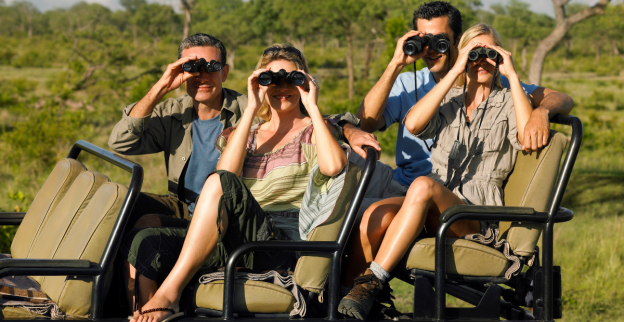
You might be sitting comfortably in an open-roof vehicle, enjoying a breeze and watching wildlife.
But several hours of sun exposure can add up.
Pack broad-spectrum sunscreen, sunglasses and a wide-brimmed hat.
Lightweight, breathable clothing that covers your shoulders and arms can also make long game drives more comfortable.
Remember that some safari destinations, particularly higher-elevation areas, can feel surprisingly cool in the early morning.
Dressing in layers helps you adapt as the day warms up.
3. Stay hydrated during long game drives
Safari days often begin before sunrise and can continue well into the afternoon.
With so much happening outside the vehicle, it’s easy to forget to drink water regularly.
Keep drinking water accessible throughout the day, particularly during warm weather and longer drives.
Use sealed bottled water or water your safari operator confirms is safe to drink.
If your itinerary includes walking safaris or other physical activities, discuss the expected conditions with your guide beforehand.
You don’t need an elaborate hydration routine.
Just make drinking water part of your day, rather than waiting until you feel thirsty.
4. Take mosquito protection seriously
Mosquito protection is an important part of preparing for Tanzania.
Malaria occurs in many parts of the country, including areas visited on safari. The appropriate prevention measures depend on your itinerary and personal circumstances.
Before travelling, ask a travel health professional whether preventive medication is recommended for your trip.
While travelling, use an appropriate insect repellent and wear long sleeves and trousers when practical.
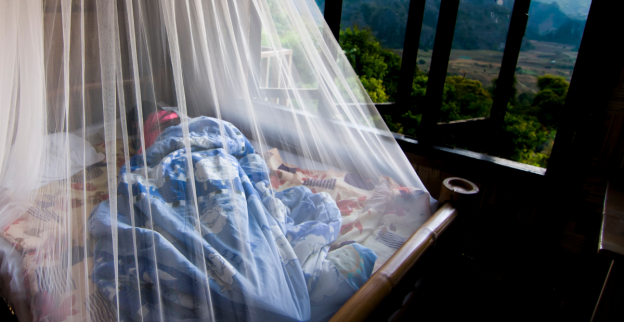
Follow your accommodation’s guidance on mosquito nets, screened rooms and other protective measures.
If you develop a fever during your trip or after returning from a malaria-risk area, seek medical attention promptly and tell the healthcare professional where you have travelled. Do not delay assessment while waiting for a routine consultation.
5. Pack a small personal health kit
You don’t need to bring an entire pharmacy on safari.
But a few familiar essentials can make travel more comfortable.
Consider packing:
Keep essential medication in your carry-on luggage when flying, and check any rules for bringing medication into Tanzania.
If you have allergies or an existing medical condition, carry a short summary that can be shared with a healthcare professional if needed.
A little organisation before departure can save time later.
6. Know what to do if you need a doctor during your trip
A safari might take you far from the routines you’re used to at home.
In Arusha or another major town, medical services may be easier to locate than they are during a game drive in a national park.
That’s why it’s useful to know what medical assistance is available along your route before you leave.
Ask your safari operator which medical facilities serve the areas you’re visiting and how they handle urgent medical situations.
For non-emergency medical concerns, another useful option to know about is Air Doctor.
Air Doctor is a travel-health platform that connects travellers with trusted local doctors.
Through the platform, travellers can search for available medical consultations based on factors such as location, specialty and language.
Depending on the destination and doctor availability, consultation options may include visiting a clinic or speaking with a doctor by video.
This can be particularly helpful when you’re travelling abroad and aren’t familiar with the local healthcare system.
However, Air Doctor is not an emergency or medical evacuation service. Its availability in Tanzania, including specific safari destinations, should be checked in advance. A video consultation also depends on having a suitable internet connection.
For emergencies or potentially serious symptoms, follow your guide’s emergency procedures and seek urgent local medical assistance.

7. Choose accommodation with your comfort in mind
Safari accommodation is part of the experience.
Some travellers love the atmosphere of a tented camp, falling asleep to the sounds of nature.
Others prefer a lodge with additional facilities and a more familiar level of comfort.
Neither is inherently better.
What matters is choosing accommodation that suits your needs.
Before booking, consider whether the property offers the facilities that matter to you, such as suitable sleeping arrangements, dietary options and reliable communication with staff.
If you have mobility requirements, medical considerations or specific dietary needs, discuss them with your safari operator in advance.
Your safari should be adventurous in the ways you enjoy, not uncomfortable in ways you could have avoided.
8. Make time to enjoy the journey
One of the best things about a safari is that you can’t control exactly what happens.
You might spend an hour watching a family of elephants.
You might unexpectedly spot a leopard resting in a tree.
Or you might discover that the quiet moments, watching the landscape change as the vehicle moves, become some of your favourite memories.
It’s tempting to plan every minute around seeing as much wildlife as possible.
But remember to leave space for rest.
Enjoy the breaks between game drives. Get enough sleep. Eat well. And take a moment to appreciate where you are.
The most memorable safari isn’t necessarily the one with the busiest schedule.
It’s the one where you have the time and energy to enjoy the experience.
Frequently Asked Questions About Health and Safety on a Tanzania Safari
Do I need vaccinations before a safari in Tanzania?
You may need or be advised to have certain vaccinations, depending on your travel history, itinerary and personal health. Consult a travel health professional before departure and check Tanzania’s current entry requirements.
Is malaria prevention necessary for a Tanzania safari?
Malaria prevention is recommended for many Tanzania safari itineraries. The specific advice depends on where you’re travelling, your medical history and other factors. Ask a travel health professional about medication and mosquito-bite prevention before departure.
Can I see a doctor while travelling in Tanzania?
Yes. Medical facilities are available in Tanzania, although access varies by location. If you’re on safari, your guide or tour operator can help you understand local medical arrangements. Air Doctor may also offer access to available outpatient consultations in supported locations.
What happens if I need medical help during a safari?
Tell your safari guide or accommodation staff promptly. They can help coordinate assistance according to your location and the operator’s procedures. For serious or urgent medical concerns, seek emergency medical care rather than waiting for a routine appointment.
Can I use Air Doctor during a safari in Tanzania?
It depends on your location, doctor availability and the consultation type. Check the platform before travelling. Air Doctor can help travellers find outpatient medical consultations where supported, but it does not replace emergency services or medical evacuation arrangements.
Your Safari Adventure Starts with Good Preparation
A safari in Tanzania is the kind of experience that stays with you long after you’ve returned home.
The landscapes, wildlife, early mornings and unexpected encounters make every day different.
And while you can’t predict what animals you’ll see or where the most memorable moments will happen, you can prepare for the practical parts of your journey.
Pack thoughtfully.
Follow destination-specific health advice.
Stay comfortable during long days outdoors.
And know where to turn if you need medical assistance along the way.
With those details taken care of, you can focus on what brought you to Tanzania in the first place.
The adventure.
Air Doctor connects travellers with doctors for outpatient consultations where available. It is not an emergency or medical evacuation service. Consult a travel health professional for personalised medical advice before your safari.