Essential Tour Guiding Vocabulary: The Top 100 Terms You Need to Know
Mastering tour guiding vocabulary is an important step toward becoming a confident and professional guide. Whether you’re studying tourism, preparing for a guiding assessment, or already working in the industry, expanding your knowledge with books, online courses, and practical field experience will help you deliver exceptional visitor experiences.
Here are the 100 important terms in tour guiding organised into 10 meaningful groups:
1. Core Responsibilities and Guiding Concept
1. Tour Guide: An individual who provides information, guidance, and interpretation to visitors during a guided tour.
2. Guided Tour: An organised excursion led by a guide who shares insights about the locations visited
3. Tour Manager: A professional responsible for overseeing the logistics of a tour.
4. Tour Leader: Another term for a guide who manages the group and provides information.
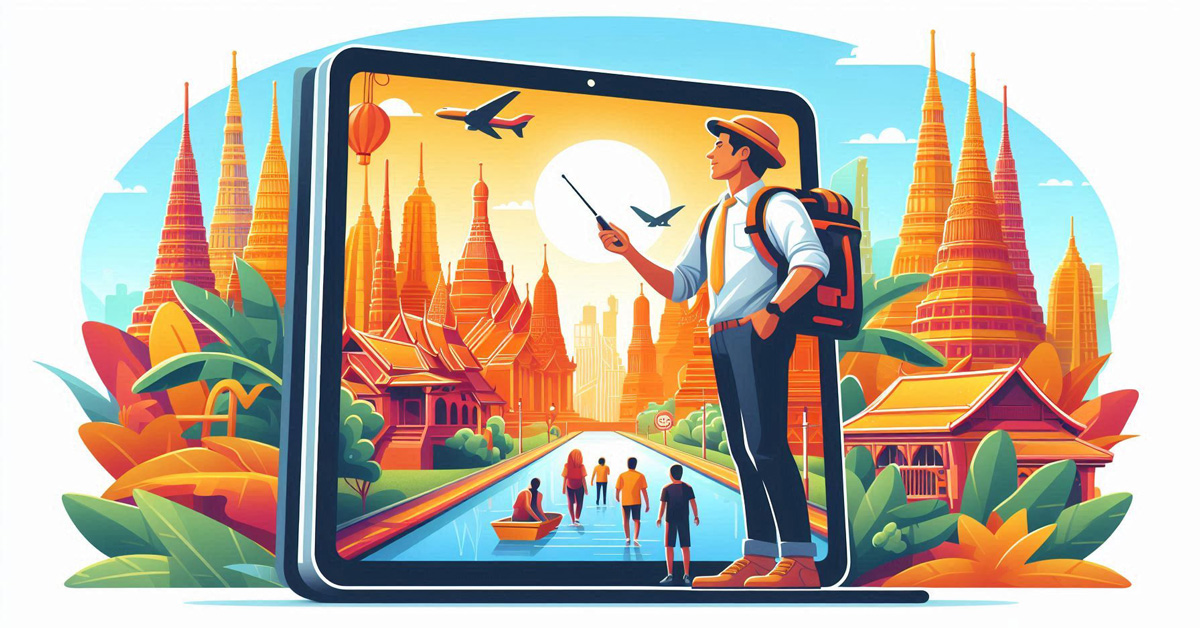
5. Tour Itinerary: A detailed plan outlining the schedule and activities of the tour. Many modern guides use digital travel tools to organise itineraries, monitor weather, navigate routes, and communicate with guests before and during trips.
6. Tour Duration: The length of time a tour lasts.
7. Tour Pricing: The cost associated with participating in a tour.
8. Tour Logistics: The detailed planning of all aspects of a tour.
9. Tourism: The business or industry of providing services for tourists.
10. Tourist: A person who is traveling or visiting a place for pleasure.
11. Tour Operator: A company or individual that organizes and sells tours.
12. Travel Agency: A business that arranges travel and tours for clients.
13. Tour Package: A pre-arranged combination of travel services, such as accommodation, transport, and activities.
14. Accommodation: Lodging or housing services provided to tourists
15. Transportation: Means of travel from one place to another during a tour.
16. Meet and Greet: A service where a tour guide meets tourists upon arrival to assist them.
2. Skills and Qualities
17. Communication: A critical skill for tour guides to relay information clearly and effectively to their audience.
18. Charisma: An essential quality that helps tour guides engage and entertain their guests.
19. Presentation Skills: The ability to deliver information in an engaging and informative manner.
20. Empathy: The ability to understand and respond to the feelings of guests, enhancing their experience.
21. Improvisation: The skill of adapting the tour based on the group’s dynamics and unexpected situations.
22. Time Management: The ability to manage the tour schedule effectively.
23. Crisis Management: Handling unexpected situations or emergencies during a tour.
24. Tour Guide Skills: The abilities and competencies required to be an effective guide.
3. Guest Interaction
25. Engagement: The process of involving guests in the tour experience to enhance their enjoyment.
26. Guest Interaction: Engaging with guests to create a welcoming atmosphere.
27. Feedback: Input from guests that can help guides improve their tours.
28. Guest Expectations: The anticipated experiences and services guests expect from a tour.
29. Tourist Engagement: The interaction between guides and guests to enhance the experience.
30. Tourist Experience: The overall impression and satisfaction of guests during a tour.
31. Tour Guide Personality Traits: The traits and characteristics that make a guide effective.
4. Knowledge and Expertise
32. Destination Expert: A guide who possesses extensive knowledge about the locations being visited.
33. Local Knowledge: Understanding the history, culture, and attractions of the area being toured
34. Cultural Heritage: Refers to the legacy of physical artifacts and intangible attributes of a group or society, encompassing traditions, customs, languages, and historical sites.
35. Historical Guide: A guide specializing in historical sites and landmarks.
36. Tour Guide Training: Programs designed to equip guides with necessary skills and knowledge.
37. Tour Guide Certification: Official recognition of a guide’s qualifications.
38. Tour Guide Resources: Tools and materials that assist guides in their work.
39. National Park: A protected area of natural beauty, often preserved for public enjoyment.
40. Visitor Center: A facility where tourists can get information, maps, and resources about a destination.
41. Interpretation: The process of providing meaning and context to tourists, often related to cultural and natural resources. Great interpretation combines knowledge, storytelling, and communication. Many professional guides improve these skills through specialised guide-training books, online courses, and practical workshops that teach visitor engagement and heritage interpretation.
42. Storytelling: The art of telling stories to engage and inform tourists.
43. Public Speaking: The skill of speaking to a group of people in a clear and engaging way.
44. Body Language: Non-verbal communication through gestures, posture, and facial expressions.
45. Language Skills: The ability to speak and understand one or more languages.
46. Multilingual Guiding: Providing tour-guiding services in multiple languages.
47. Tour Script: A pre-written guide or outline used by the tour guide during a tour.
48. Tour Commentary: The information and insights shared by the tour guide during a tour.
49. Leave No Trace: A set of outdoor ethics promoting conservation in the outdoors.
50. Tour Design: The creation and organization of the tour’s itinerary and content.
5. Safety and Regulations
51. Safety Regulations: Guidelines that ensure the safety of guests during tours.
52. First Aid: Basic medical knowledge that tour guides should possess to handle emergencies.
53. Guest Safety: Ensuring the well-being of participants during the tour.
54. Crisis Management: Handling unexpected situations or emergencies during a tour.
55. Tourist Safety: Measures taken to ensure the safety of visitors during tours.
56. Emergency Procedures: The steps to take in case of an emergency during a tour.
57. Conflict Resolution: The process of resolving disputes or disagreements among tourists or between tourists and the guide.
6. Tour Types and Formats
58. Escorted Tour: A type of tour where a guide accompanies the group, managing logistics and providing commentary.
59. Cultural Exchange: The interaction between the guide and guests that enriches the tour experience.
60. Tour Theme: The central topic or focus of a tour, such as history, food, or nature.
61. Tour Group Size: The number of participants in a tour, which can affect the guiding style.
62. Tourist Attractions: Sites that draw visitors due to their cultural, historical, or recreational value.
63. Tourist Season: The time of year when tourism is at its peak.
64. Eco-tourism: Tourism focused on natural environments, often with an emphasis on conservation.
65. Cultural Tourism: Tourism related to the culture, heritage, and lifestyle of a region.
66. Backpacking: Independent, low-cost travel, often with minimal luggage.
67. Day Trip: A short trip or excursion that does not involve an overnight stay.
68. Overnight Tour: A tour that includes at least one night’s accommodation.
69. Package Tour: A tour that includes multiple elements such as transportation, accommodation, and activities in one price.
70. Guided Walk: A walking tour led by a tour guide.
71. Historical Site: A location with historical significance, often preserved for its cultural value.
72. Landmark: A recognizable natural or man-made feature that is often an important tourist attraction.
73. Wildlife: Animals living in their natural habitat, often a key attraction in eco-tourism.
74. Biodiversity: The variety of plant and animal life in a particular habitat.
75. Flora and Fauna: The plants (flora) and animals (fauna) of a particular region.
76. Local Community: The people who live in the area where tourism takes place.
77. Local History: The history of the area being visited, often shared by the tour guide.
78. Geography: The physical features of the area being visited, such as landscapes and terrain.
7. Marketing and Promotion
79. Marketing: Promoting tour services to attract guests.
80. Tour Promotion: Strategies used to advertise and sell tours.
81. Networking: Building relationships with other professionals in the tourism industry.
82. Tour Guide Associations: Organizations that support and represent tour guides.
83. Tour Guide Marketing: Strategies used to promote guiding services
84. Tourist Information Centers: Places where travelers can obtain information about local attractions.
8. Evaluation and Improvement
85. Tour Evaluation: Assessing the effectiveness of a tour based on guest feedback and personal reflection.
86. Tour Guide Performance:The effectiveness of a guide in delivering a tour.
87. Tour Guide Reviews: Feedback from guests that can influence a guide’s reputation.
88. Post-Tour Follow-Up: Contacting guests after the tour to gather feedback or offer additional services.
89. Tour Feedback Forms: Surveys used to gather guest opinions about the tour experience.
90. Tour Guide Networking Events: Connecting with other professionals in the tourism industry.
9. Tourist Behaviour and Trends
91. Tourist Demographics: The characteristics of the individuals participating in tours.
92. Tourist Behaviour: The actions and attitudes of individuals while travelling.
93. Tourist Trends: Current patterns and preferences in travel behaviour.
94. Tourist Engagement Strategies: Methods used to involve guests in the tour.
95. Tourist Experience Enhancement: Methods used to involve guests in the tour.
10. Cultural Sensitivity and Ethics
96. Cultural Sensitivity: Awareness and respect for the customs and practices of different cultures.
97. Tour Guide Ethics: The moral principles guiding a tour guide’s conduct.
98. Crisis Management: Handling unexpected situations or emergencies during a tour.
99. Cultural Exchange: The interaction between the guide and guests that enriches the tour experience.
100. Sustainability: Practices that promote responsible tourism and minimise environmental impact.
1001: Safari: is a type of tourism that primarily focuses on wildlife viewing and exploration of natural habitats, particularly in Africa
-
Tour Guide Career Success Checklist
Buy Professional tour guiding books
Take online tourism courses
Wear Safari clothing
Have professional binoculars
Practice foreign languages
Learn first aid
Visit new destinations
Network with tourism professionals
Follow industry news
Attend tourism exhibitions
Buy Outdoor backpacks